The $100 Billion Illusion of Control
Extractive industries have spent a decade discovering that a signed certificate is not a functioning control. The bill is now large enough to read from orbit. The next decade will be harder on the complacent, not easier.
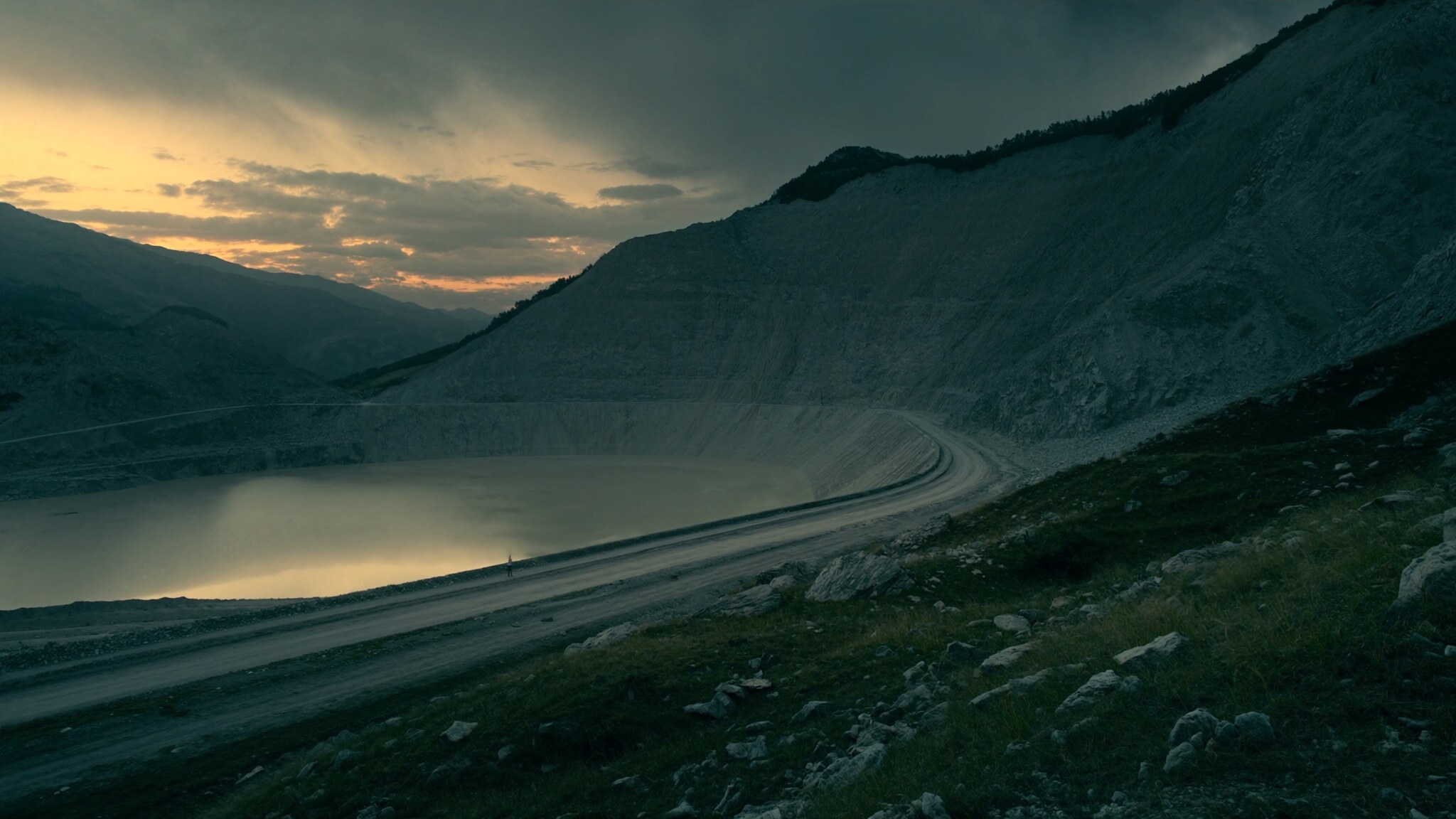
The certificate said the dam was stable
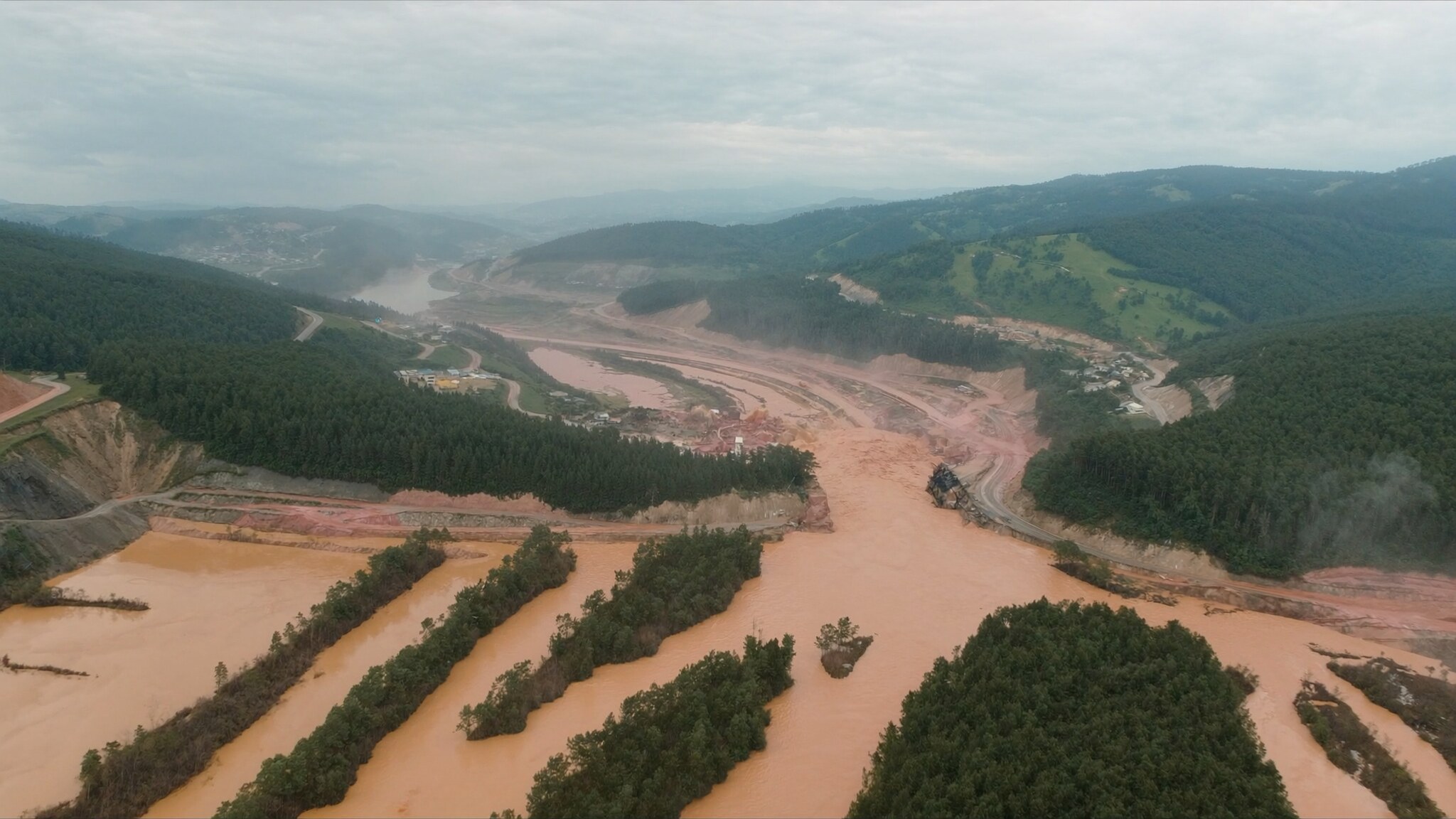
1.09. That was the factor of safety TÜV SÜD’s own auditors recorded at Vale’s B1 dam at Brumadinho in 2018: “marginally stable” against the Canadian Dam Association benchmark of 1.5.1 The auditor signed the stability declaration anyway. Vale’s sustainability disclosures assured investors that 100% of its dams were certified stable.2 On 25 January 2019, B1 liquefied without warning and killed 270 people.3 The following Monday, Vale shed roughly $19bn of market value in a single session, the steepest one-day fall in its history.4 It later paid a R$37.7bn (about $7bn) reparation settlement5 and a $55.9m SEC penalty for misrepresenting dam safety in the very ESG reports its investors had relied upon.2
This is the defining pathology of risk management in metals and mining, and oil and gas: the confusion of documentation with control. Boards see green dashboards, certified audits and completed training modules. The frontier sees none of it, whether geotechnical, political or digital. Add up the last decade’s tuition: $65bn-plus for BP’s Macondo blowout,6 $31.7bn for the BHP-Vale Samarco settlement in Brazil alone,7 roughly $1.85bn in corruption penalties for Glencore across five jurisdictions,8 and $1.1bn vaporised by fraud inside Trafigura’s own Mongolian fuel business.9 The illusion of control is the most expensive product this industry manufactures. What follows is where it fails, and what the operators who compound capital through the cycle do differently.
A decade’s tuition
Sovereignty is a balance-sheet item
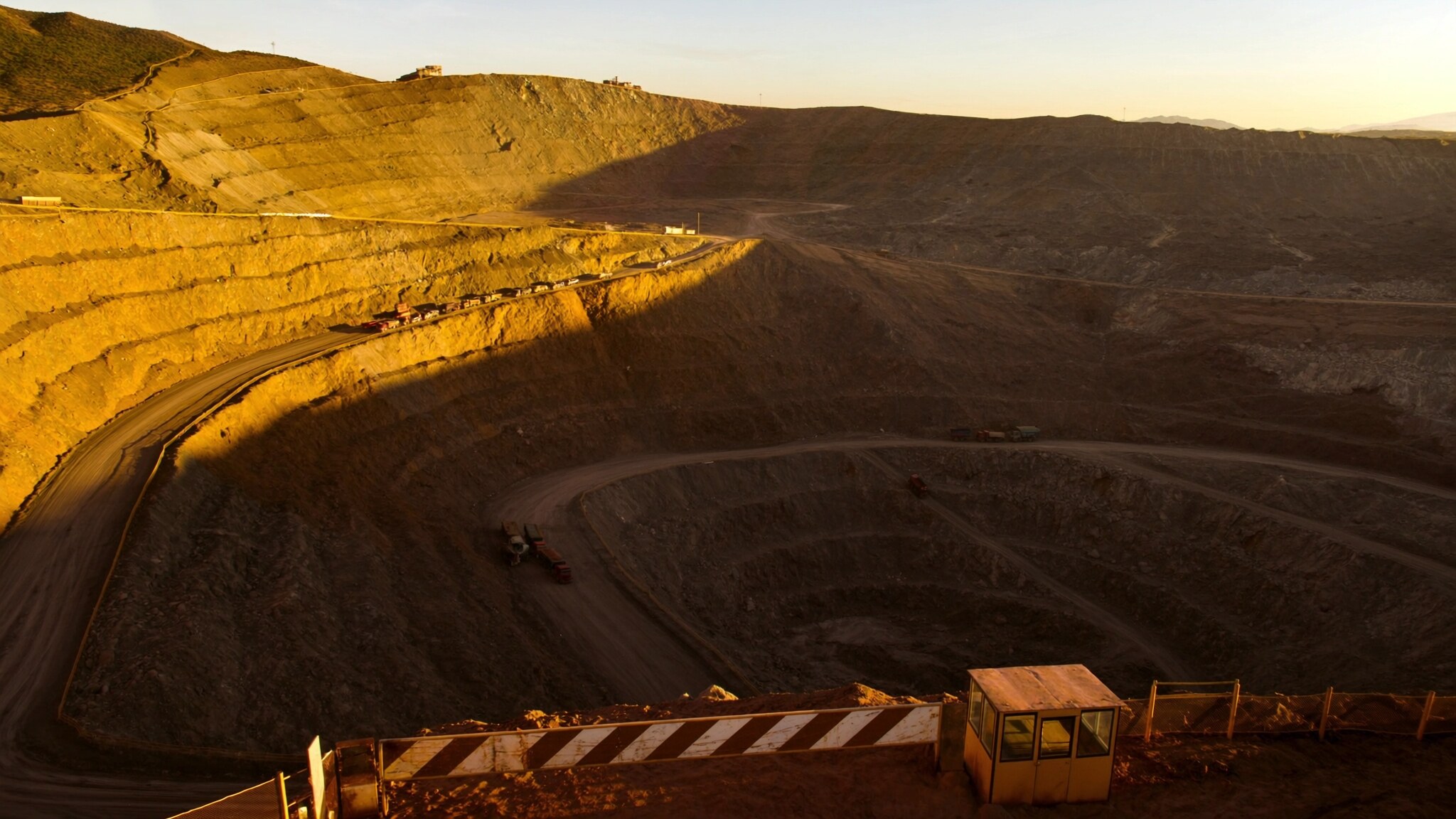
In November 2023, Panama’s Supreme Court struck down First Quantum’s concession for Cobre Panamá, a $10bn asset generating about 5% of the country’s GDP, as unconstitutional.10 The mine shut within days. First Quantum lost roughly half its market value in a week,11 booked a $954m net loss for 202312 and by 2025 had discontinued a $20bn arbitration claim as the price of merely restarting talks.13 As of this month, Panama’s finance ministry position is blunt: “resources belong to the Republic of Panama.”14
Mali went further. Between 2024 and 2025, the junta seized three tonnes of Barrick’s gold (about $245m), jailed four employees and issued an arrest warrant for the chief executive.15 It then placed Loulo-Gounkoto, 14% of Barrick’s output, under state administration, airlifting bullion out by military helicopter.16 Barrick took a $1.04bn charge,17 then paid about $430m in November 2025 to settle and regain control.18 Niger nationalised Orano’s Somaïr uranium operation outright.19 Verisk Maplecroft now places 38 countries in its two highest resource-nationalism risk bands, up from 22 in 2016; more than a third of global copper output sits in high-risk jurisdictions, versus 17% a decade ago.20
Resource nationalism, repriced
Nor is the fiscal state always hostile. Sometimes it simply renegotiates the business model. Indonesia’s ore-export bans forced Freeport into a $3.85bn divestment of 51% of Grasberg21 and a $3.7bn smelter that caught fire weeks after opening.22 The same policy lifted Indonesia’s nickel-linked exports from $4bn to $34bn in five years.23 Local-integration mandates work. For the host, at least.
The contrarian point is that Washington’s retreat from anti-corruption enforcement makes none of this safer. In 2025, only one corporate FCPA settlement was reached after February’s enforcement pause, the thinnest year in a generation.24 Yet in the same window Swiss courts convicted both Trafigura and Glencore,25 London’s SFO put ex-Glencore executives on track for a 2027 trial26 and some 200 institutional investors began pursuing Glencore through the English courts.27 Enforcement did not disappear. It migrated. Companies calibrated to the weakest active regulator are carrying unpriced liability in every jurisdiction they still touch: governance asymmetry as a hidden short position.
Culture is a control
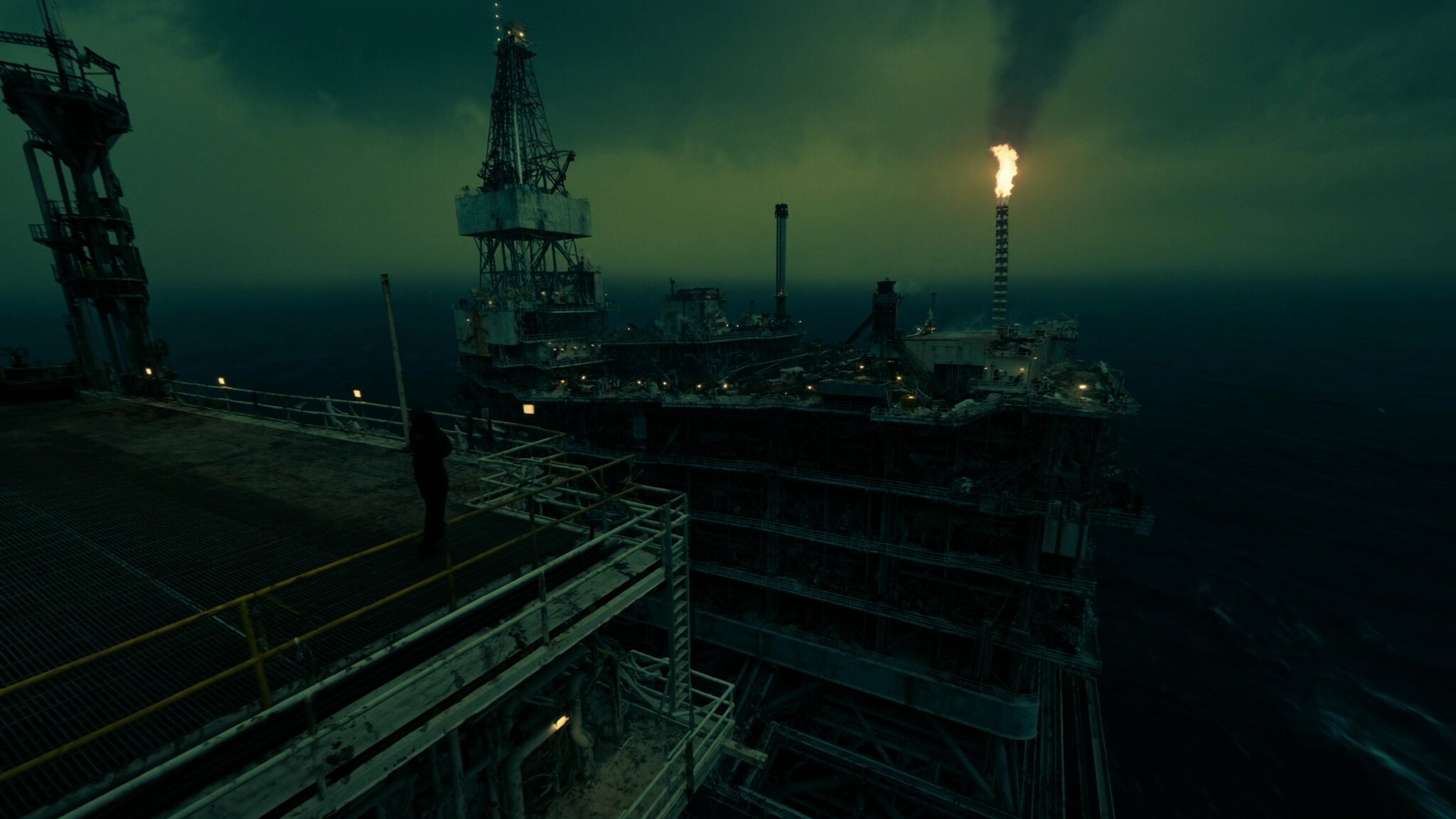
The Baker Panel’s verdict on BP’s Texas City refinery, where 15 died in 2005,28 remains the sharpest sentence ever written about extractive risk: BP “mistakenly interpreted improving personal injury rates as an indication of acceptable process safety performance.”29 The metrics were green. The plant exploded. Five years later, Macondo followed the same script offshore: eleven dead and a bill north of $65bn.6
The industry has not closed that gap. ICMM members, roughly a third of the global industry, recorded 42 fatalities in 2024, up from 36 the year before.30 Impala’s Rustenburg shaft accident killed 13 in late 2023.31 In September 2025, a mud rush at Freeport’s Grasberg block cave killed seven, triggered force majeure, cut 2026 production plans by roughly 35%32 and knocked around 17% off the shares in a day.33 When SSR Mining’s Çöpler heap-leach facility failed in February 2024, killing nine, the stock halved before the market closed.34 The frontline reality of fatigue, production pressure and the quiet normalisation of deviance does not appear in any quarterly risk register.
Two structural fixes matter more than any new policy manual. First, de-silo technical and financial risk. Vale’s own independent committee found that engineers had raised concerns about B1’s stability for sixteen years; that information never priced into a single capital-allocation decision.35 Rio Tinto destroyed the 46,000-year-old Juukan Gorge shelters in 2020 for access to ore worth $135m of net present value: a rounding error that cost the chief executive, the chairman and two other executives their jobs.36 In both cases the technical facts existed. The governance architecture kept them away from the people deciding.
How failure is actually caught
Second, build a just culture. The controls already depend on it. The ACFE’s global fraud data is unambiguous: 43% of occupational fraud is detected by tips, against roughly 14% by internal audit and 3% by external audit.37 Trafigura’s Mongolian fraud ran for half a decade, concealed by its own employees, before surfacing as a $1.1bn exposure.9 Where people fear speaking, the control environment is fiction with an org chart.
The telemetry arbitrage
Brumadinho was, above all, a failure of the historical audit: an annual-inspection regime certifying a dam that was failing in real time. The industry’s answer, the Global Industry Standard on Tailings Management, mandates continuous monitoring and named accountability. The uncomfortable number: by the August 2025 deadline, only 67% of ICMM members’ 836 tracked tailings facilities were in full conformance.38 A third of the industry’s flagship post-disaster control is still paperwork.
Audit in real time — or not at all
conformance
paperwork33%
The same arbitrage, telemetry versus retrospection, runs through financial controls. ACFE data shows proactive data monitoring roughly halves fraud losses and detection times; it remains among the least-adopted anti-fraud controls in the dataset.37 The pattern repeats at exchange level. The LME’s March 2022 nickel squeeze, in which junior overnight staff disabled price bands and roughly $12bn of trades were retroactively cancelled,39 earned the exchange a £9.2m FCA fine, the first ever levied against a UK-recognised investment exchange.40
Meanwhile the ESG data crunch has not eased. It has fragmented. The SEC abandoned its climate rule41 and Brussels cut CSRD’s scope by roughly 80%.42 Yet CBAM’s definitive regime went live in January 2026,43 the EU battery passport arrives in February 2027 with mine-level provenance data,44 EU methane rules bind exporters from 202745 and 36 jurisdictions are adopting ISSB standards.46 Less uniform regulation means more reconciliation risk, not less reporting.
And the digital frontier now shoots back. Ransomware attacks on industrial organisations rose 87% in 2024;47 roughly 3,300 were hit in 2025.48 Halliburton’s 2024 breach cost $35m.49 Colonial Pipeline’s $4.4m ransom shut down the pipeline supplying roughly 45% of East Coast fuel.50 The Triton malware targeted the safety-instrumented systems that stand between a petrochemical plant and catastrophe.51 Even the watchdogs are fragile: MethaneSAT, the flagship independent emissions satellite, went dark after fifteen months.52 Deregulation on paper. Escalation in the field. The gap is being arbitraged by adversaries, plaintiffs and courts. In May, the UK Court of Appeal’s refusal to let BHP challenge its Samarco liability judgment confirmed that a London parent now answers for a Brazilian joint venture’s dam.53
Risk as a competitive advantage
The synthesis is simple and unfashionable. In extractive industries, risk management functions less like a cost centre than a spread. The decade’s ledger shows entire market capitalisations separating operators who treated controls as living systems from those who treated them as filings. Norsk Hydro, which refused a ransom, ran its smelters manually and briefed the market daily, spent roughly $70m and kept its reputation.54 Vale’s certificates cost $7bn in reparations, $19bn in market value and 270 lives.2 The differential between those two postures is the cheapest alpha available in the sector: capital protection as strategy, not compliance.
The spread
The operators who win the next decade will price sovereignty like a commodity, instrument culture like an orebody, and audit in real time or not at all.
This is the terrain ZMK Advisory works. We advise boards, investors and management teams in metals and mining, and oil and gas, on macro-strategy and risk: mapping sovereign and fiscal exposure before it reprices, stress-testing the controls that annual audits flatter, and converting governance asymmetry from a hidden short into a deliberate position. The frontier does not read your policy manual. We help you write one it will respect.
ZMK Advisory | Macro-strategy & Risk | Metals & Mining · Oil & Gas
Sources
Every quantified claim is sourced to a regulator, a court of record, a company’s own primary disclosure, or an established industry, research or news body. Full citations 1–54 correspond to the superscript links above; each opens its source in a new tab.