A supply base rebuilt on purpose, in a decade.
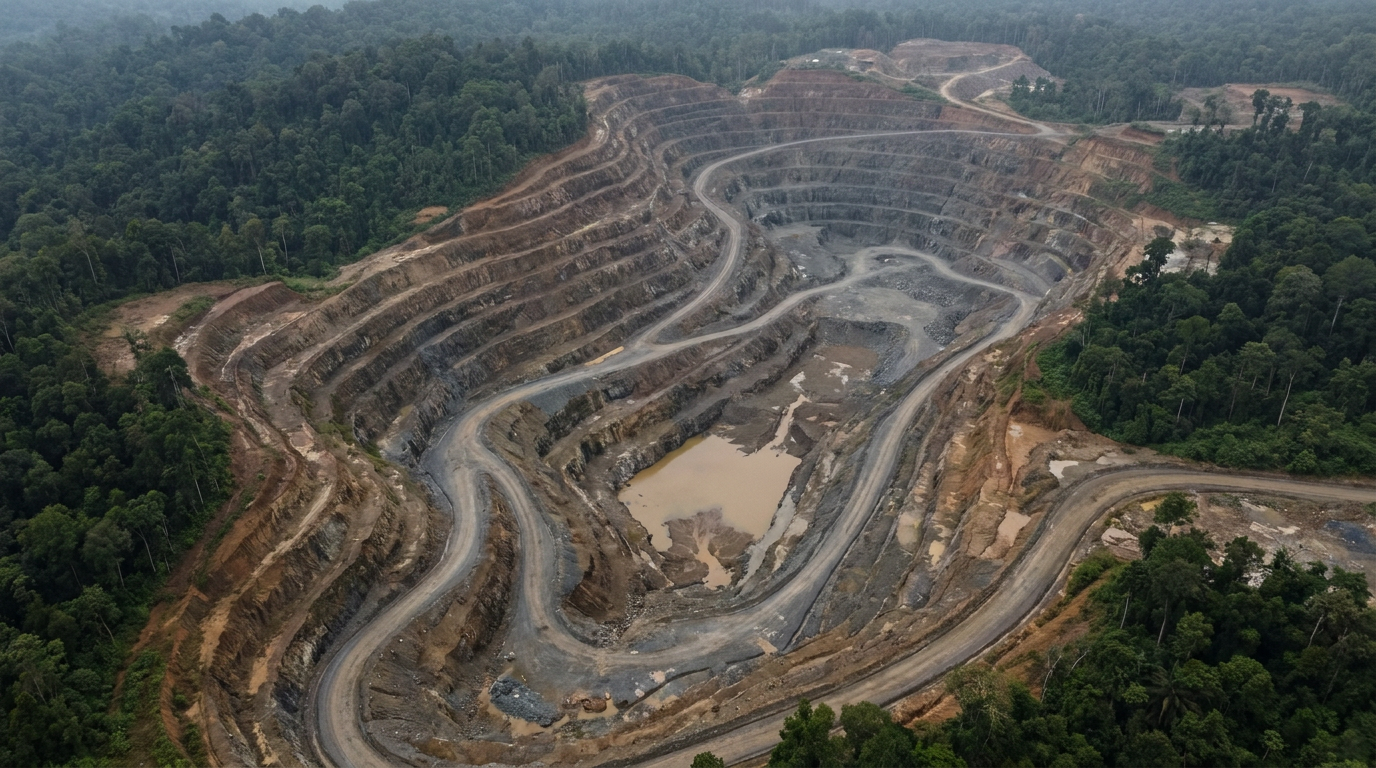
Less than 6 percent. That was Indonesia’s share of global mined nickel in 2014, the year it first moved to ban the export of raw ore. A decade later the figure is above 60 percent. No major commodity has had its supply base rebuilt so quickly or concentrated so tightly in one country: Indonesian mine output rose roughly tenfold in the ten years to 2023, and the value of the country’s nickel-related exports tracked the same curve — from about $1.1bn in 2017, when it still shipped mostly unprocessed ore, to more than $30bn by 2022.
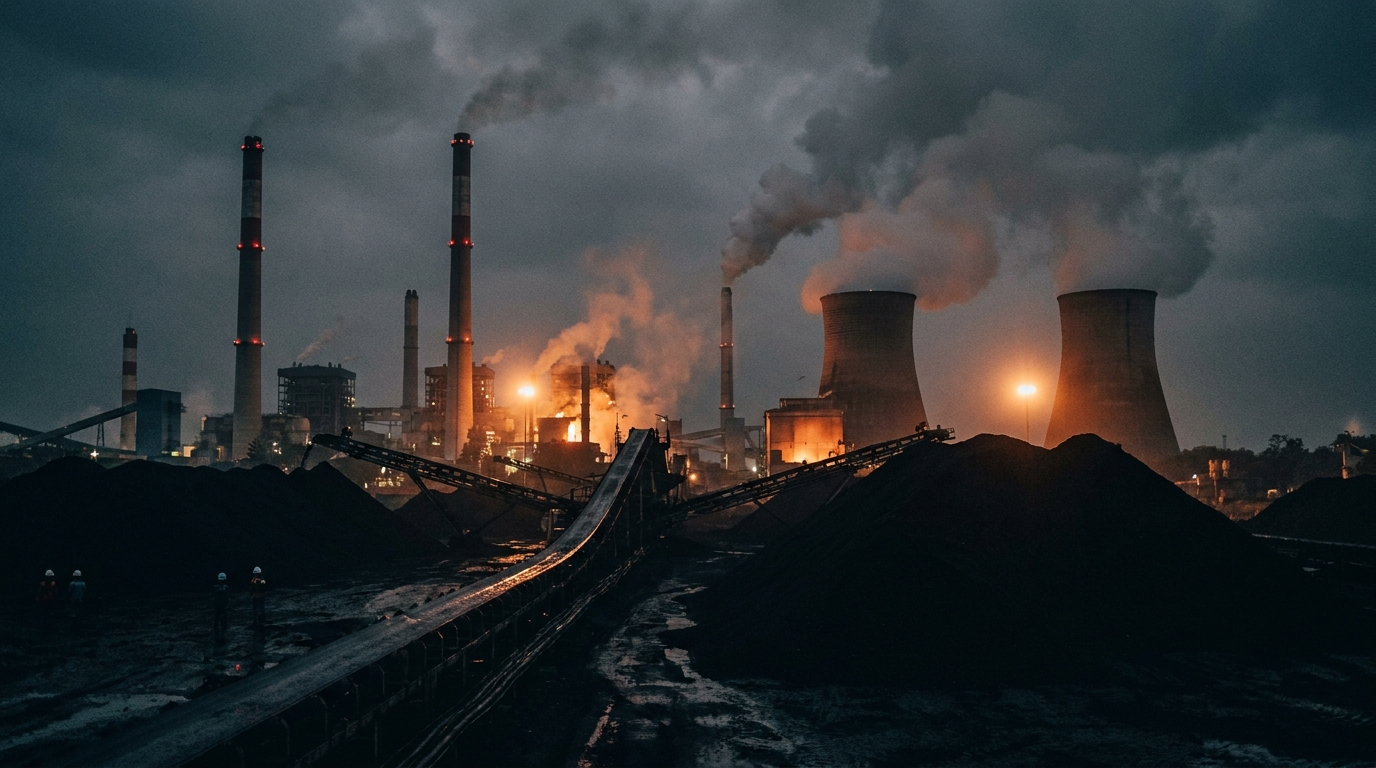
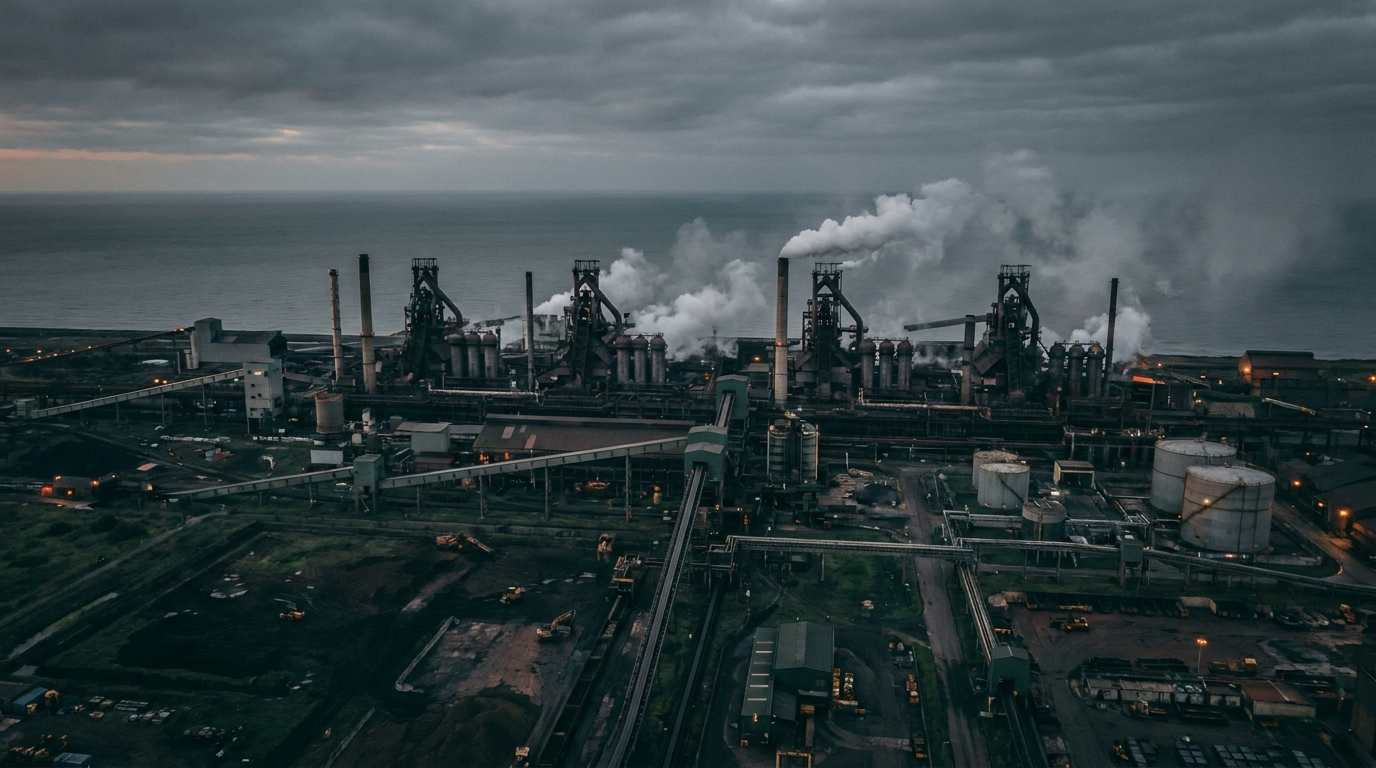
This was not an accident of geology. It was policy. The 2009 Mining Law mandated domestic processing; the ban bit for nickel in 2014, was relaxed, then reimposed in full in January 2020. Stop exporting rocks, force the smelters to come to the ore, capture the value that used to accrue offshore. Rio Tinto and other majors balked and left. Chinese capital did the opposite and doubled down. By any conventional metric of industrial policy, Indonesia won. The uncomfortable part is what winning bought.
Controlling supply is not controlling price — and neither is capturing value.
The same policy that gave Indonesia the tonnes flooded the market until it broke the price. Nickel fell from $27,466 a tonne in January 2023 to $16,429 a year later, a drop of 40 percent, and touched a four-year low near $13,900 by April 2025 — close to two-thirds below its March 2022 short-squeeze peak above $48,000. Indonesian refined output had turned a market in deficit into a structural surplus and held it there: eighteen consecutive monthly surpluses into late 2023, LME inventories climbing from below 40,000 tonnes to past 250,000. Indonesia had become nickel’s swing producer, and its first casualty was nickel itself.